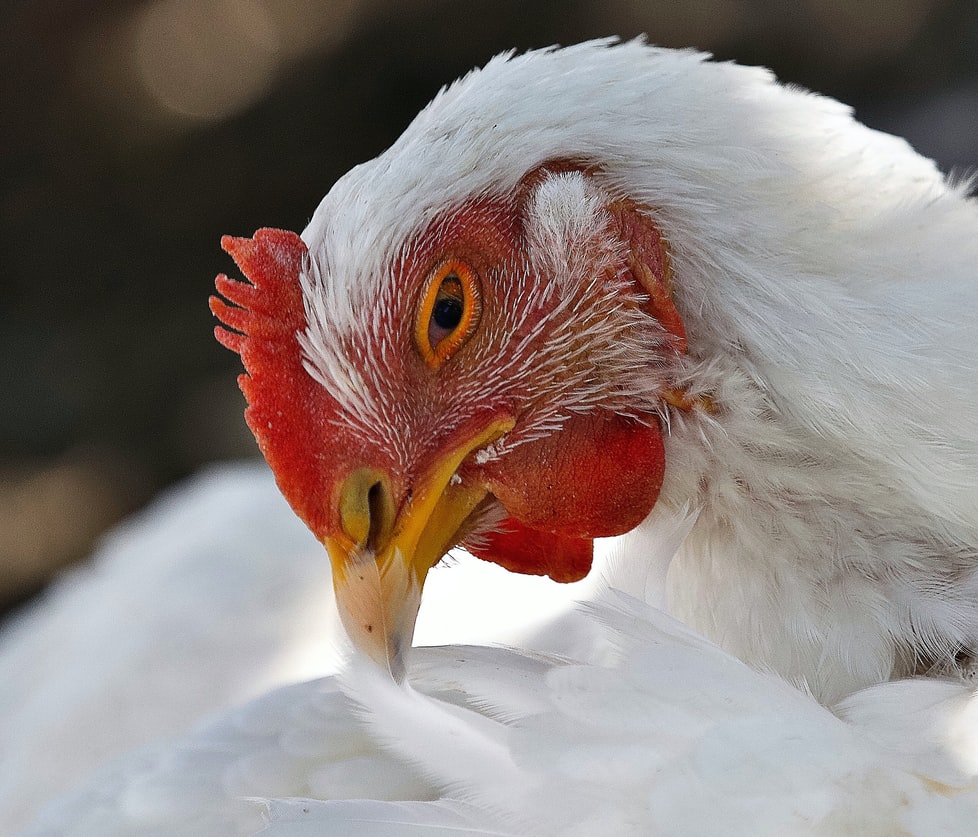
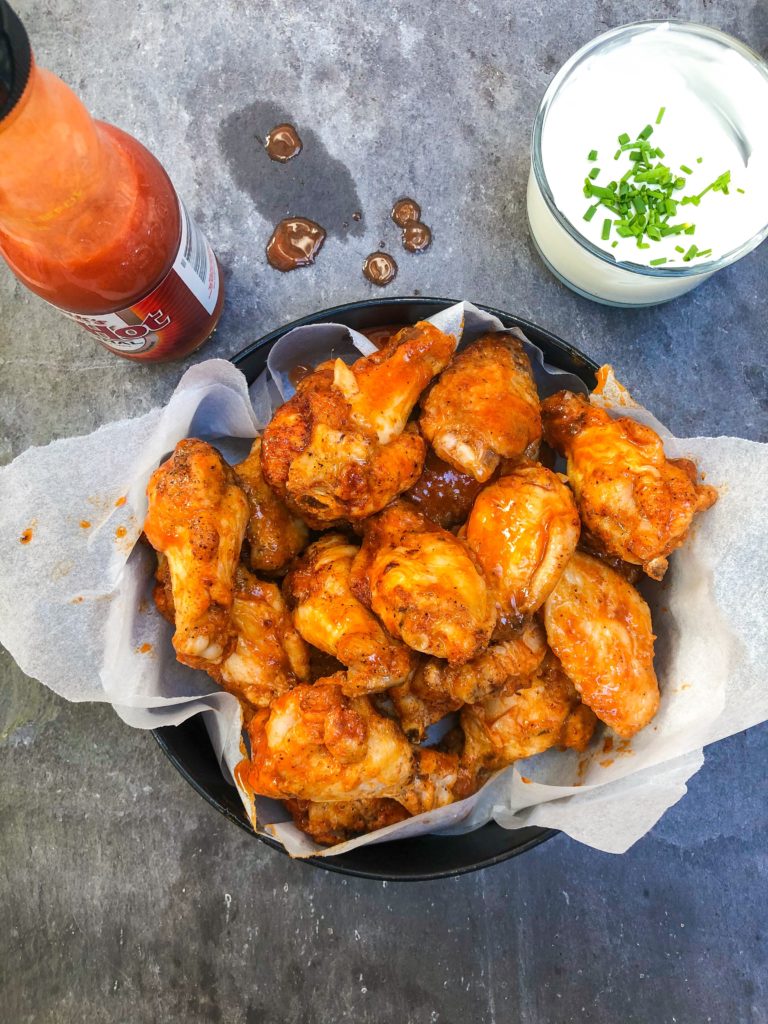
We sure do like the look of those great big chicken breasts, don’t we. But once you know a little more about how and why chickens are now growing such bigger breasts then you too might say, “What the cluck am I eating?”
Genetic modification, selective breeding and drugs are changing the chicken. But what is it doing to us? The environment? And the chicken!
Chicken is one of the most widely eaten sources of protein in Canada. Cheaper and lower in fat than red meat, chicken is staple of most people’s diets. However, the demand for chicken meat and eggs has led to commercial, factory farming enterprises which raise genetically modified chickens in deplorable conditions.
Most commercial chickens suffer short, horrible lives. Through genetic modification and selective breeding they have been redesigned to grow extremely fast and to develop abnormally large breasts, our favorite cut. They must be fed massive quantities of antibiotics just to keep them alive. A commercial chicken is ready for slaughter by the age of seven weeks, and many are unable to walk or fly normally because of its poor body structure and heavy breasts.
Aside from the massive quantities of antibiotics chickens are fed, they are also raised in filthy conditions and fed sub-standard feed. At a chicken factory, meat birds are usually raised in large sheds. There’s plenty of room when the birds are tiny, but as they grow older, there is no longer enough space. The birds are forced to live in their own feces and even with the decaying carcasses of birds who have died from these conditions.
Chickens are social creatures, and normally they develop a pecking hierarchy so that no one bird gets picked on too much. However, in groups larger than about 90 birds, they are no longer capable of developing this natural order and there is a lot of aggression. Because of this, commercially raised birds have the ends of their beaks severed in a process called “debeaking,” in order to prevent them from injuring each other. It is extremely painful, and chicks sometimes die from the shock.
There is an alternative, natural, free-range chickens that are not genetically modified, raised humanely and without the addition of growth hormones and antibiotics.
Free range chickens have access to the outdoors. This is incredibly important, since chickens love being outside and rarely choose to remain inside, even in foul weather. Naturally-raised free range chickens are often provided with grass and the accompanying insects to explore and eat, as well as antibiotic-free grains and feed. This is a much more natural diet that results in the flesh being more nutritious for humans as well as better for the bird’s quality of life.
Naturally-raised chickens are typically raised to about the age of 14 weeks before slaughter. This is done because they do not grow so abnormally fast, and require this time to get the market weight. However, this time also allows them to develop more muscles and provides a higher quality of lower-fat meat. Despite weighing less than the average commercial chicken before cooking, a free-range chicken usually turns out about the same quantity of edible meat.
Many people do not even think about how and where there food is raised, or the long term effects of eating genetically modified foods. However, it is extremely important that people consider where the food comes from. Modern commercial chicken farming is a cruel endeavor that turns out a food which is full of drugs and even toxins such as arsenic.
For peace of mind and a healthy body chose to consume naturally raised and harvested meat, poultry and seafood products from High Arctic Seafoods & Steaks!