Zilmax is a drug sold by Merck Animal Health, a division Merck. Although it was originally developed for the treatment of asthma in people, its real claim to fame is in its use as a growth drug in the beef industry.
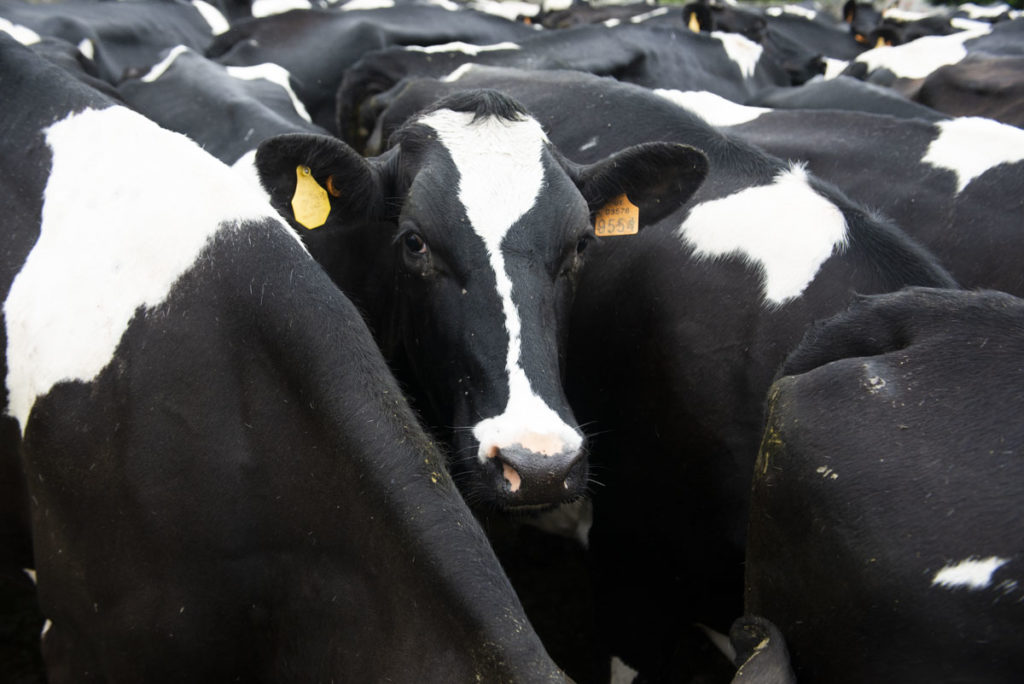
To understand why Zilmax is used in the beef industry, you first have to know something about this industry. Most cows that are raised for food spend much of their lives on pastureland mostly eating grass. However, for the last part of their life, they are taken to what are known as feedlots. A better name for feedlots might be “cornlots” because that is all the cows are fed on feedlots. Corn is fed to the cows to fatten them up before slaughter. The bigger the cow, the more money it brings in so almost all cattle farmers engage in this practice, although there are exceptions with farmers who specialize in natural beef.
It was discovered that if Zilmax is given to cows on a feedlot, they gain more weight. Moreover, this happens without the feedlot operators having to feed the cows any more food or give them any more water, which increases profit. Further, Zilmax modifies the metabolism of the cow so that it puts on more muscle mass and not as much fat. However, this supposed advantage comes with a huge drawback. It makes the beef lose much of its flavor, the number one reason most Americans buy beef. More specifically, beef from cows treated with Zilmax looses its marbling and this renders it dry and tasteless. This fact is so well known that Intervet, the original company that developed Zilmax, actually stated this in their application to the Food and Drug Administration (FDA). However, even given this huge negative, this drug hit the United States and Canadian beef industries in 2007.
Due to the negative effects of Zilmax, there was early resistance to using this drug by the feedlots and also by the meat packers. However, feedlot cattle given Zilmax developed an average of thirty-three more pounds of muscle compared to feedlot cattle not given this drug. To the cattle ranchers and feedlot owners, this translates into approximately $30 per carcass extra profit when they were sold to the meat packers. The companies that initially resisted buying cows from feedlots using Zilmax found they could no longer compete with those that did so after a few years time, the majority of companies are now buying Zilmax treated cows. In fact, the four biggest U.S. beef companies that combined, control eighty-five percent of the market now buy cows treated with Zilmax. These companies are: Tyson Foods, JBS SA, Cargill, and National Beef Packing Company.
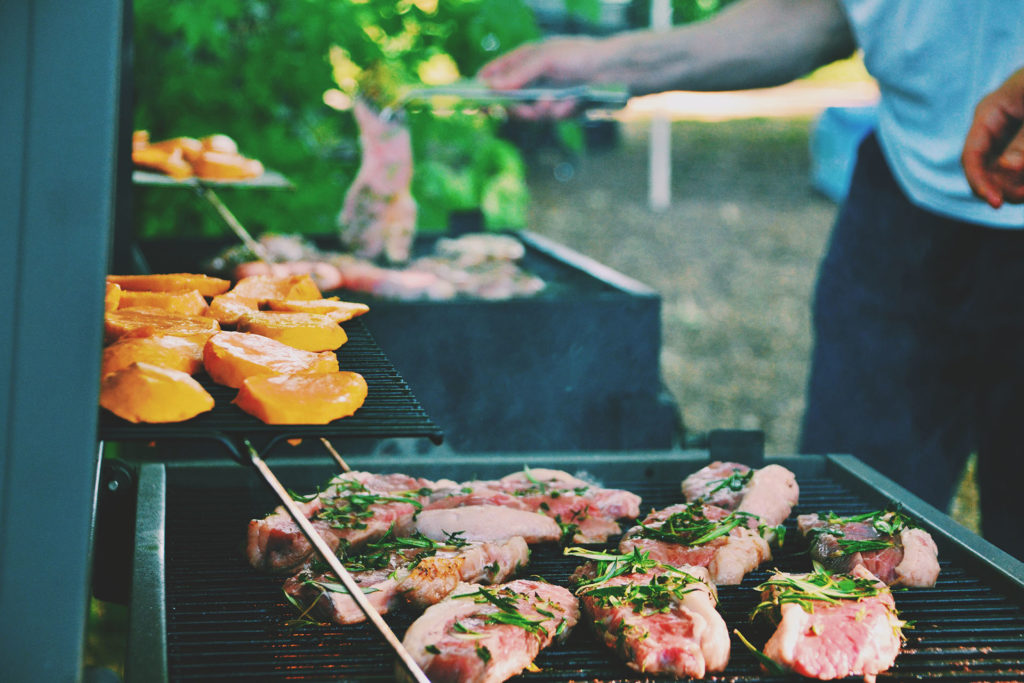
For most North Americans who eat beef, flavor is a bigger factor than price when selecting the beef for their plate so only time will tell how this will all pan out. If you are someone who enjoys the amazing smell and flavor of a nice marbled steak sizzling on the grill, you now have another good reason to eat naturally raised beef. In this way, you can avoid the Zilmax as well as the growth hormones and antibiotics that are given most feedlot cows. We now know that these chemicals play havoc in our bodies disrupting our endocrine systems and immune systems.
The choice, as always, is yours. Choose naturally raised and harvested products!